
Eggs are one of the most nutritious and widely consumed foods in the world. Whether you are a fitness enthusiast, a patient following a therapeutic diet, or simply someone trying to eat healthier, eggs are often recommended as a staple food. One of the most common questions people ask is: how much protein is in an egg?
In this comprehensive guide, we will explore everything you need to know about the protein content of eggs, including their nutritional value, benefits, myths, and how to include them effectively in your diet.
Understanding Protein in Eggs
Protein is an essential macronutrient required for building and repairing tissues, producing enzymes and hormones, and supporting overall body function. Eggs are considered one of the best sources of high-quality protein.
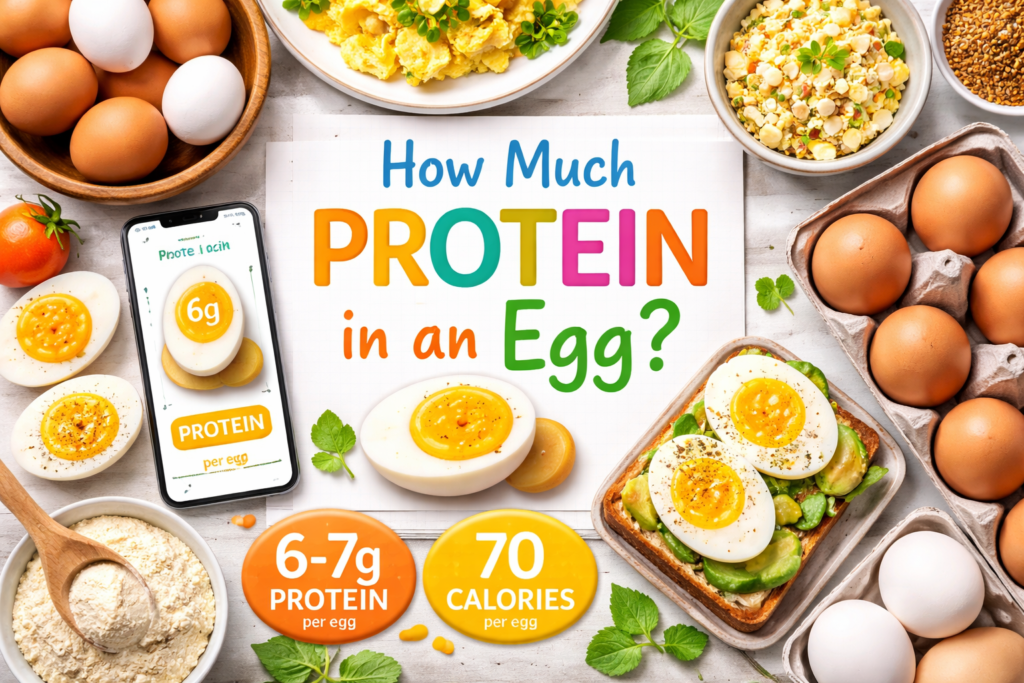
A single large egg (approximately 50 grams) contains:
- Protein: 6–7 grams
- Calories: Around 70 kcal
- Fat: 5 grams
- Carbohydrates: Less than 1 gram
This makes eggs a nutrient-dense food that provides a significant amount of protein relative to its calorie content.
Protein Content Based on Egg Size
Not all eggs are the same size, and the protein content varies slightly depending on the size of the egg. Here’s a breakdown:
| Egg Size | Weight (Approx.) | Protein Content |
|---|---|---|
| Small | 38 g | 4.5 g |
| Medium | 44 g | 5.5 g |
| Large | 50 g | 6–7 g |
| Extra Large | 56 g | 7–8 g |
| Jumbo | 63 g | 8–9 g |
As the size increases, the protein content also increases proportionally.
Egg White vs Egg Yolk: Where Is the Protein?
Many people believe that all the protein in an egg is found in the egg white, but this is not entirely true. Both parts of the egg contain protein.
Egg White (Albumen)
- Protein: ~3.5–4 grams
- Calories: ~15–20 kcal
- Fat: 0 grams
Egg whites are almost pure protein and are very low in calories, making them ideal for weight loss diets.
Egg Yolk
- Protein: ~2.5–3 grams
- Calories: ~50–55 kcal
- Fat: Contains healthy fats
The yolk is also rich in vitamins such as vitamin A, D, E, and B12, as well as minerals like iron and phosphorus.
Why Egg Protein Is Considered High Quality
Eggs are often referred to as a complete protein source. This means they contain all nine essential amino acids that the human body cannot produce on its own.
Biological Value of Eggs
Egg protein has a biological value (BV) of 100, which is considered the highest among all food sources. This means the body can efficiently absorb and utilize the protein from eggs.
Health Benefits of Egg Protein
1. Muscle Growth and Repair
Eggs are a favorite among athletes and bodybuilders because they provide high-quality protein necessary for muscle repair and growth.
2. Weight Management
Protein-rich foods like eggs help you feel full for longer, reducing hunger and overall calorie intake. This makes them ideal for weight loss.
3. Improved Metabolism
Protein increases the thermic effect of food, meaning your body burns more calories digesting protein compared to fats or carbohydrates.
4. Brain Health
Egg yolks contain choline, an important nutrient that supports brain function and memory.
5. Eye Health
Eggs contain antioxidants like lutein and zeaxanthin, which promote eye health.
How Many Eggs Should You Eat Per Day?
The number of eggs you should consume depends on your health status and dietary goals.
General Recommendations
- Healthy individuals: 1–3 eggs per day
- Athletes: 3–6 eggs per day (depending on protein needs)
- Weight loss diets: 1–2 whole eggs + additional egg whites
For most people, eating eggs daily is safe and beneficial.
Eggs and Cholesterol: Myth vs Reality
One of the biggest concerns about eggs is their cholesterol content. A single egg contains about 186 mg of cholesterol, mostly in the yolk.
The Truth
Recent research shows that dietary cholesterol has a minimal impact on blood cholesterol levels for most people. Eggs do not significantly increase the risk of heart disease in healthy individuals.
However, people with existing heart conditions or diabetes should consult a healthcare professional before increasing egg consumption.
Best Ways to Eat Eggs for Maximum Protein
The method of cooking can influence the nutritional value of eggs.
Healthy Cooking Methods
- Boiled eggs
- Poached eggs
- Scrambled eggs (with minimal oil)
- Omelette with vegetables
Methods to Avoid
- Deep frying
- Cooking with excessive butter or oil
These methods increase calorie intake and reduce the health benefits.
Eggs for Weight Loss
Eggs are an excellent food choice for weight loss due to their high protein content and low calories.
Why Eggs Help in Weight Loss
- Increase satiety
- Reduce hunger hormones
- Help maintain muscle mass
Studies have shown that people who eat eggs for breakfast consume fewer calories throughout the day.
Eggs for Weight Gain
If your goal is weight gain, eggs can still be very beneficial.
How to Use Eggs for Weight Gain
- Eat whole eggs (including yolk)
- Combine with calorie-dense foods like bread, rice, or potatoes
- Increase portion sizes
Eggs provide both protein and healthy fats, which support healthy weight gain.
Eggs in a Balanced Diet
Eggs can be included in almost any type of diet:
- Keto diet
- Low-carb diet
- High-protein diet
- Balanced diet
They are versatile and can be combined with a variety of foods.
Common Mistakes When Consuming Eggs
1. Avoiding the Yolk Completely
Many people avoid egg yolks due to fear of fat and cholesterol, but this leads to loss of essential nutrients.
2. Overcooking Eggs
Overcooking can reduce the nutritional value and affect protein quality.
3. Eating Only Eggs
While eggs are nutritious, relying solely on them can lead to nutrient imbalance. A varied diet is essential.
Protein Comparison: Eggs vs Other Foods
Here’s how eggs compare to other protein sources:
| Food Item | Protein per 100g |
|---|---|
| Eggs | ~13 g |
| Chicken breast | ~31 g |
| Lentils | ~9 g |
| Milk | ~3.4 g |
While eggs may not have the highest protein per 100g, their quality and digestibility make them superior.
Are Raw Eggs Better for Protein?
Some people believe that consuming raw eggs provides more protein, but this is a myth.
Reality
- Cooked eggs are more digestible
- Raw eggs may carry a risk of bacterial infection (Salmonella)
Therefore, it is always safer and more beneficial to consume cooked eggs.
Eggs for Different Age Groups
Children
Eggs support growth and development due to high-quality protein and essential nutrients.
Adults
They help maintain muscle mass and overall health.
Elderly
Protein from eggs helps prevent muscle loss and supports healthy aging.
Timing: When Is the Best Time to Eat Eggs?
Eggs can be consumed at any time of the day, but certain timings offer additional benefits.
Morning (Breakfast)
- Keeps you full
- Reduces cravings
Post-Workout
- Helps in muscle recovery
- Provides essential amino acids
How to Store Eggs Properly
Proper storage ensures freshness and safety.
- Keep eggs in the refrigerator
- Avoid washing before storage
- Use within 2–3 weeks
Are Brown Eggs Better Than White Eggs?
There is no significant nutritional difference between brown and white eggs. The color depends on the breed of the hen, not the nutritional value.
Final Thoughts
Eggs are one of the most complete and affordable sources of high-quality protein. A single egg provides around 6–7 grams of protein, making it an excellent addition to any diet.
Whether your goal is weight loss, muscle gain, or overall health, eggs can help you achieve it effectively. They are versatile, easy to prepare, and packed with essential nutrients.
The key is to consume them in moderation and as part of a balanced diet. Instead of avoiding egg yolks, embrace the whole egg to get maximum nutritional benefits.
By understanding how much protein is in an egg and how to use it wisely, you can take a significant step toward improving your health and achieving your fitness goals.