
Ear piercings are one of the most popular forms of body jewelry in the United States. From a simple lobe piercing to a carefully curated collection of cartilage piercings, ear piercings offer a way to express personal style without requiring a permanent change to your appearance.
However, getting an ear piercing is more than simply choosing a cute pair of earrings. The location of the piercing, type of jewelry, healing time, aftercare routine, and individual anatomy can all affect the experience. Understanding these factors can help you make a more informed decision and reduce the risk of irritation or complications.
This comprehensive guide to ear piercings covers the most popular piercing types, expected pain levels, healing times, jewelry choices, aftercare, common problems, and important safety considerations for anyone considering a new piercing.
What Are Ear Piercings?
An ear piercing is a small opening made through a specific part of the ear so that jewelry can be inserted. Ear piercings can be placed through the soft earlobe or through cartilage in different areas of the outer ear.
The most common ear piercing is the traditional lobe piercing. Other popular styles include helix, tragus, conch, rook, daith, flat, and industrial piercings.
The popularity of ear piercing has grown because people can combine multiple piercings to create a personalized look. Some prefer a minimalist style with one or two small studs, while others create an “ear stack” using several earrings of different sizes and designs.
Popular Types of Ear Piercings
There are many different ear piercing placements. Each one has its own appearance, healing considerations, and jewelry options.
1. Lobe Piercing
The standard lobe piercing is the most familiar type of ear piercing. It passes through the soft tissue of the earlobe and is generally considered one of the easier ear piercings to heal.
Lobe piercings are popular among children, teenagers, and adults because they work with almost any style of jewelry.
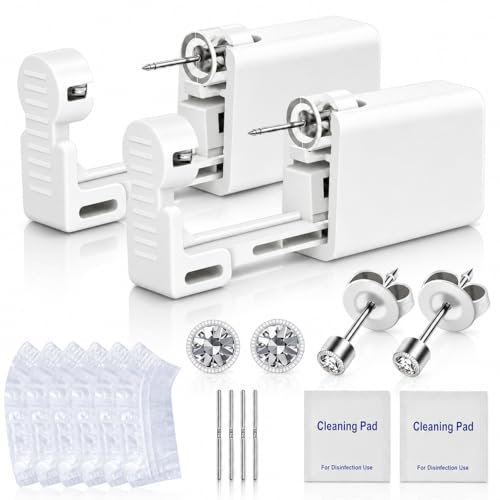
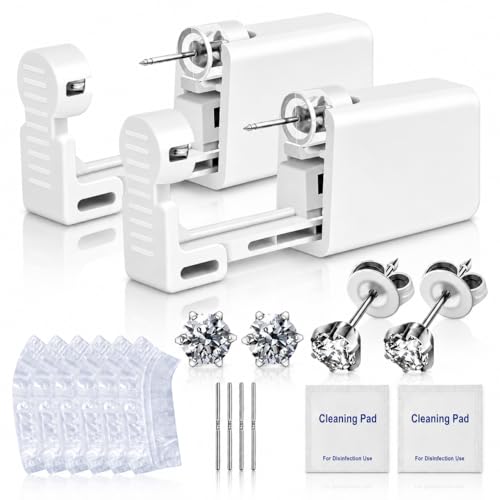


Common jewelry choices include:
- Small studs
- Hoops
- Huggie earrings
- Gemstone earrings
- Drop earrings
- Flat-back earrings
Because the earlobe contains soft tissue rather than cartilage, lobe piercings typically heal faster than cartilage piercings.
2. Upper Lobe Piercing
An upper lobe piercing is positioned higher on the earlobe than a traditional lobe piercing. Many people choose this style to create a layered appearance.
It can be combined with a standard lobe piercing and other cartilage piercings to create an attractive ear stack.
3. Helix Piercing
A helix piercing is located along the upper outer cartilage of the ear.
It is one of the most recognizable cartilage piercings and can be worn with a small stud or hoop.
Because cartilage has less blood flow than the earlobe, helix piercings generally require more patience during healing.
4. Forward Helix Piercing
A forward helix piercing is placed on the front portion of the upper ear cartilage, close to where the ear connects to the side of the head.
Some people choose a single forward helix, while others get multiple piercings in the area.
Small studs are particularly popular for this placement because of the limited space.
5. Tragus Piercing
The tragus is the small piece of cartilage that partially covers the opening of the ear canal.
A tragus piercing can create a subtle but distinctive look. Jewelry is usually relatively small because of the anatomy of the area.
People considering a tragus piercing should be especially careful about pressure and friction from headphones, earbuds, and other objects that come into contact with the area.
6. Conch Piercing
A conch piercing goes through the cartilage in the central portion of the outer ear.
It can be placed in the inner conch or, depending on anatomy and placement, toward the outer conch area.
Conch piercings can accommodate studs and, after appropriate healing, certain hoop styles.
7. Daith Piercing
The daith is an inner cartilage fold located above the ear canal.
This piercing has attracted attention online because of claims that it may help with migraines. However, there is not enough reliable scientific evidence to recommend a daith piercing as a treatment for migraines.
It should therefore be considered primarily a fashion or personal-style choice rather than a medical treatment.
8. Rook Piercing
A rook piercing passes through a fold of cartilage in the upper inner part of the ear.
Because the anatomy of this area varies considerably from person to person, not everyone is a suitable candidate for a rook piercing.
A professional piercer should examine your ear before determining whether the placement is appropriate.
9. Flat Piercing
A flat piercing is placed through the relatively flat cartilage area of the upper ear.
This placement provides plenty of room for decorative jewelry, making it popular for people who want a more noticeable cartilage piercing.
10. Industrial Piercing
An industrial piercing typically involves two piercing holes connected by one long piece of jewelry, usually a straight barbell.
The classic industrial piercing runs diagonally across the upper ear.
This piercing requires suitable ear anatomy because the two piercing locations need to align properly. A professional piercer should assess your anatomy rather than assuming that everyone can safely receive a traditional industrial piercing.
Ear Piercing Pain: How Much Do Ear Piercings Hurt?
Pain is one of the most common questions people have before getting an ear piercing.
The experience varies significantly from person to person. What feels like mild pressure to one individual may feel more uncomfortable to another.
Generally, lobe piercings are considered relatively mild because the tissue is soft. Cartilage piercings can feel sharper or more intense and may remain tender for longer.
Pain can also depend on:
- The location of the piercing
- Individual pain tolerance
- The technique used
- The piercer’s experience
- Your stress level
- The condition of the tissue
- Whether the area is accidentally bumped afterward
A piercing procedure itself is usually very quick. The more important consideration is often the healing period rather than the few seconds of discomfort during the piercing.
Ear Piercing Healing Times
Healing time depends on the piercing location and your individual body.
Lobe piercings generally heal faster than cartilage piercings. Cartilage can take substantially longer to fully heal.
Approximate healing ranges can vary, so you should follow the specific advice of your professional piercer rather than changing jewelry based solely on a calendar.
During healing, a piercing may occasionally appear better on the outside while the internal tissue is still healing. This is one reason why removing or changing jewelry too early can cause problems.
What Jewelry Is Best for a New Ear Piercing?
Choosing appropriate jewelry is an important part of the piercing process.
For a fresh piercing, professional piercers commonly recommend high-quality materials designed for body piercing. Implant-grade titanium is often considered an excellent option, particularly for people who are concerned about metal sensitivity.
Other jewelry materials may include suitable grades of gold, provided they meet appropriate standards and are not simply inexpensive plated jewelry.
For a fresh piercing, consider:
- Quality of the metal
- Proper jewelry size
- Appropriate shape
- Smooth surfaces
- Secure construction
- Professional fitting
Avoid choosing jewelry solely because it looks attractive. A piece that is too tight, too heavy, or unsuitable for a healing piercing can contribute to irritation.
What Is the Best Metal for Ear Piercings?
Titanium is widely used by professional piercers because it is lightweight and can be suitable for people who experience sensitivity to certain metals.
Some people can comfortably wear high-quality gold, but the specific alloy and manufacturing quality matter.
Nickel is a common cause of contact sensitivity, so people who react to inexpensive earrings should pay particular attention to jewelry materials.
If you have experienced reactions to earrings in the past, tell your piercer before getting a new piercing.
Ear Piercing Aftercare
Proper aftercare is one of the most important parts of having a successful piercing experience.
Your piercer should provide specific instructions based on the location and jewelry used. In general, a healing piercing should be handled gently and kept clean.
Wash Your Hands
Always wash your hands thoroughly before touching a healing piercing.
Avoid touching the jewelry unnecessarily throughout the day.
Hands can transfer dirt, oils, and microorganisms to the piercing site.
Clean the Piercing Properly
Follow your piercer’s recommended cleaning routine.
Many professional piercing studios recommend sterile saline for routine care. Avoid harsh household chemicals or aggressive cleaning methods unless specifically instructed by a healthcare professional.
Over-cleaning can also irritate healing tissue.
Don’t Twist the Jewelry
A common old-fashioned recommendation is to rotate or twist earrings regularly.
This is generally unnecessary and may irritate healing tissue.
Instead, leave the jewelry alone except when cleaning it according to your aftercare instructions.
Avoid Sleeping Directly on the Piercing
Pressure from sleeping can cause swelling, tenderness, irritation, and changes in the piercing angle.
If possible, avoid putting direct pressure on a healing cartilage piercing.
A travel pillow can sometimes help people keep pressure away from the ear while sleeping.
Be Careful With Hair and Clothing
Hair can catch on earrings, especially during the early healing period.
Clothing, towels, masks, helmets, and other objects can also accidentally pull on a piercing.
Move carefully around a new piercing to reduce unnecessary trauma.
Can You Shower With a New Ear Piercing?
In most cases, normal showering is compatible with piercing aftercare, provided the piercing is treated gently.
Avoid aggressively scrubbing the piercing or allowing harsh products to remain around it.
After showering, gently dry the surrounding area with a clean disposable material or according to your piercer’s recommendations.
Swimming requires additional consideration because pools, hot tubs, lakes, and other bodies of water can expose a fresh piercing to microorganisms and contaminants.
Ask your piercer about when it is appropriate to resume swimming based on the piercing’s healing stage.
Ear Piercing Infection: What Should You Look For?
Some redness, swelling, tenderness, or minor discharge can occur during the normal healing process.
However, symptoms that are worsening or unusually severe should not be ignored.
Potential warning signs can include:
- Increasing pain
- Significant swelling
- Spreading redness
- Excessive warmth
- Pus-like discharge
- Fever
- Feeling generally unwell
- Symptoms that continue getting worse rather than improving
Cartilage infections can be more serious than infections involving the earlobe. If you suspect an infection, particularly with a cartilage piercing, seek medical advice promptly.
Do not automatically remove jewelry without professional guidance if you suspect an infection. Removing jewelry can sometimes allow the opening to close and potentially trap infection inside.
Irritation Bumps vs. Infection
Not every bump around a piercing means that the piercing is infected.
Irritation bumps can occur because of:
- Pressure
- Friction
- Sleeping on the piercing
- Jewelry that does not fit properly
- Excessive touching
- Aggressive cleaning
- Accidental trauma
A professional piercer can help identify possible mechanical causes, while a healthcare professional can evaluate suspected infection.
Avoid trying to squeeze or pop a bump yourself.
Should You Get Your Ears Pierced With a Needle or Piercing Gun?
This is an important consideration when choosing a piercing studio.
Professional piercing studios commonly use sterile, single-use needles. Piercing guns can create additional concerns because of their design, tissue trauma, sterilization limitations, and jewelry-fitting issues.
For cartilage in particular, choosing an experienced professional who uses appropriate sterile equipment is especially important.
Before booking an appointment, ask the studio about:
- Sterile equipment
- Single-use needles
- Jewelry materials
- Sterilization procedures
- Aftercare instructions
- The piercer’s experience
- Anatomy assessment
A clean, professional environment should be considered a basic requirement rather than an optional extra.
How to Choose a Professional Piercing Studio
Don’t choose a piercing studio solely based on the cheapest price.
Look for a professional who takes hygiene and anatomy seriously.
A reputable piercer should be willing to explain the procedure, answer questions, discuss jewelry materials, and provide aftercare instructions.
The studio should have appropriate infection-control practices and professional equipment.
It can also be helpful to look at the piercer’s portfolio and reviews before making an appointment.
Ear Piercing Ideas for Different Styles
One of the reasons ear piercings remain popular is their versatility.
Minimalist Ear Stack
If you prefer subtle jewelry, consider a standard lobe piercing paired with a small upper-lobe or helix piercing.
Tiny studs can create a clean, understated appearance.
Classic Look
A traditional lobe piercing with small gold or silver-colored jewelry can work with almost any outfit.
Multiple Cartilage Look
People who want a more noticeable style may combine lobe, helix, conch, and other cartilage placements.
However, getting too many piercings at once can make aftercare more difficult and may increase irritation.
A professional piercer can help you create a realistic plan based on your anatomy and healing needs.
How Many Ear Piercings Should You Get at Once?
There is no universal number that is right for everyone.
While getting several piercings during one appointment may seem convenient, each new piercing requires healing and aftercare.
Multiple healing piercings can make sleeping, cleaning, and avoiding irritation more difficult.
Your piercer can help determine an appropriate approach based on the locations, your anatomy, and your previous piercing experience.
When Can You Change Your Ear Piercing Jewelry?
Do not change a new piercing simply because it looks healed from the outside.
The tissue underneath may still be healing.
The appropriate timing depends on the piercing location, healing progress, jewelry, and individual circumstances.
If you need to change jewelry during the healing period because of sizing or another issue, have a professional piercer evaluate and perform the change whenever possible.
What Happens If You Remove a New Ear Piercing?
A fresh piercing can begin closing relatively quickly if jewelry is removed.
The exact behavior varies depending on how old the piercing is and how your body heals.
If you are unhappy with the placement or believe the jewelry is causing problems, talk with a professional piercer rather than repeatedly removing and reinserting jewelry.
Ear Piercing and Allergies
Some people develop itching, redness, or irritation after wearing certain earrings.
Metal sensitivity, particularly sensitivity to nickel, can be responsible in some cases.
If you repeatedly experience reactions to inexpensive earrings, discuss jewelry materials with a professional piercer or healthcare provider.
Switching to appropriate high-quality jewelry may help prevent reactions in people with metal sensitivity.
Can You Sleep With Earrings In?
Whether you should sleep with earrings depends on whether the piercing is healed and what type of jewelry you are wearing.
During healing, removing the jewelry can allow the piercing channel to narrow or close.
At the same time, sleeping directly on a healing cartilage piercing can cause irritation.
For established piercings, comfortable, properly fitted jewelry is generally easier to sleep in than large or heavy earrings.
Ear Piercing Trends in the United States
Ear piercing trends continue to evolve.
One popular approach is the curated ear, where multiple piercings are intentionally arranged to create a coordinated look.
Instead of simply getting random piercings, people work with a piercer to plan jewelry placement around their individual anatomy.
Popular styles can include combinations of:
- Lobe piercings
- Upper-lobe piercings
- Helix piercings
- Forward helix piercings
- Conch piercings
- Tragus piercings
- Flat piercings
Jewelry can then be coordinated by metal, gemstone, shape, or size.
Ear Piercings for Sensitive Skin
If you have sensitive skin, jewelry selection deserves extra attention.
Look for high-quality materials and avoid unknown or poorly labeled metals.
If you have previously developed a rash from earrings, don’t assume every type of jewelry will cause the same reaction. Instead, discuss your history with a professional piercer and, when appropriate, a healthcare professional.
Common Ear Piercing Mistakes
Many piercing problems are caused by simple mistakes.
Touching the Piercing Constantly
Playing with jewelry can introduce contaminants and mechanically irritate the piercing.
Changing Jewelry Too Early
A piercing may look healed before the internal tissue has completely recovered.
Sleeping on Cartilage
Constant pressure can prolong irritation and affect healing.
Using Harsh Products
Strong chemicals and unnecessary products can damage or irritate healing tissue.
Choosing Cheap Jewelry
Poor-quality jewelry can cause irritation or allergic reactions.
Ignoring Persistent Symptoms
If symptoms are getting worse rather than better, don’t simply wait indefinitely.
Frequently Asked Questions About Ear Piercings
Which ear piercing hurts the least?
Lobe piercings are generally considered among the least painful ear piercings because they pass through soft tissue. Individual experiences vary.
Which ear piercing takes the longest to heal?
Many cartilage piercings take substantially longer to heal than lobe piercings. Exact healing time varies by placement and individual healing.
Can I get an ear piercing if I have sensitive skin?
Possibly. Jewelry material is particularly important for people with metal sensitivity. Discuss your history with your piercer before the procedure.
Can I exercise after getting an ear piercing?
Exercise may be possible, but you should take steps to prevent friction, contamination, and accidental impacts. Your piercer can provide advice based on the location of your piercing.
Can I swim after getting my ears pierced?
Swimming can expose a fresh piercing to microorganisms and contaminants. Ask your professional piercer when swimming is appropriate for your particular piercing.
Is cartilage piercing more painful than lobe piercing?
Cartilage piercings are often perceived as more uncomfortable than lobe piercings, but pain varies considerably between individuals.
How long should I wait before changing earrings?
The answer depends on the piercing and its healing progress. Avoid changing jewelry prematurely, and consider having a professional piercer perform the first jewelry change.
What should I do if my piercing is swollen?
Mild swelling can occur during healing. However, significant or worsening swelling, severe pain, spreading redness, pus-like discharge, or fever should be evaluated by a healthcare professional.
Final Thoughts on Ear Piercings
Ear piercings are a versatile way to express your personality and create a unique style. Whether you prefer a classic lobe piercing or a carefully planned collection of cartilage piercings, the key to a positive experience is choosing a qualified professional, using appropriate jewelry, and following proper aftercare.
Don’t rush the healing process. A new piercing may look attractive immediately, but the tissue needs time to heal underneath the surface. Avoid unnecessary touching, pressure, premature jewelry changes, and harsh cleaning products.
Most importantly, choose safety over convenience. A professional piercer should assess your anatomy, explain the procedure, use appropriate sterile equipment, and help you select jewelry that fits properly.
If you are considering ear piercings, take time to research the placement you want, understand the healing commitment, and choose a reputable piercing professional. With proper planning and care, your ear piercings can become a long-lasting part of your personal style.