
Polycystic Ovary Syndrome (PCOS) is one of the most common hormonal disorders affecting women of reproductive age. It is estimated that millions of women worldwide have PCOS, but many remain undiagnosed because its symptoms can vary from person to person. Early diagnosis and proper management can significantly improve quality of life and reduce the risk of long-term health complications.
PCOS affects hormone production, ovulation, metabolism, and fertility. While there is no permanent cure, recognizing the early signs and symptoms of PCOS can help you seek timely medical advice and begin appropriate treatment.
Here are seven common signs and symptoms of PCOS you should never ignore.
1. Irregular or Missed Periods
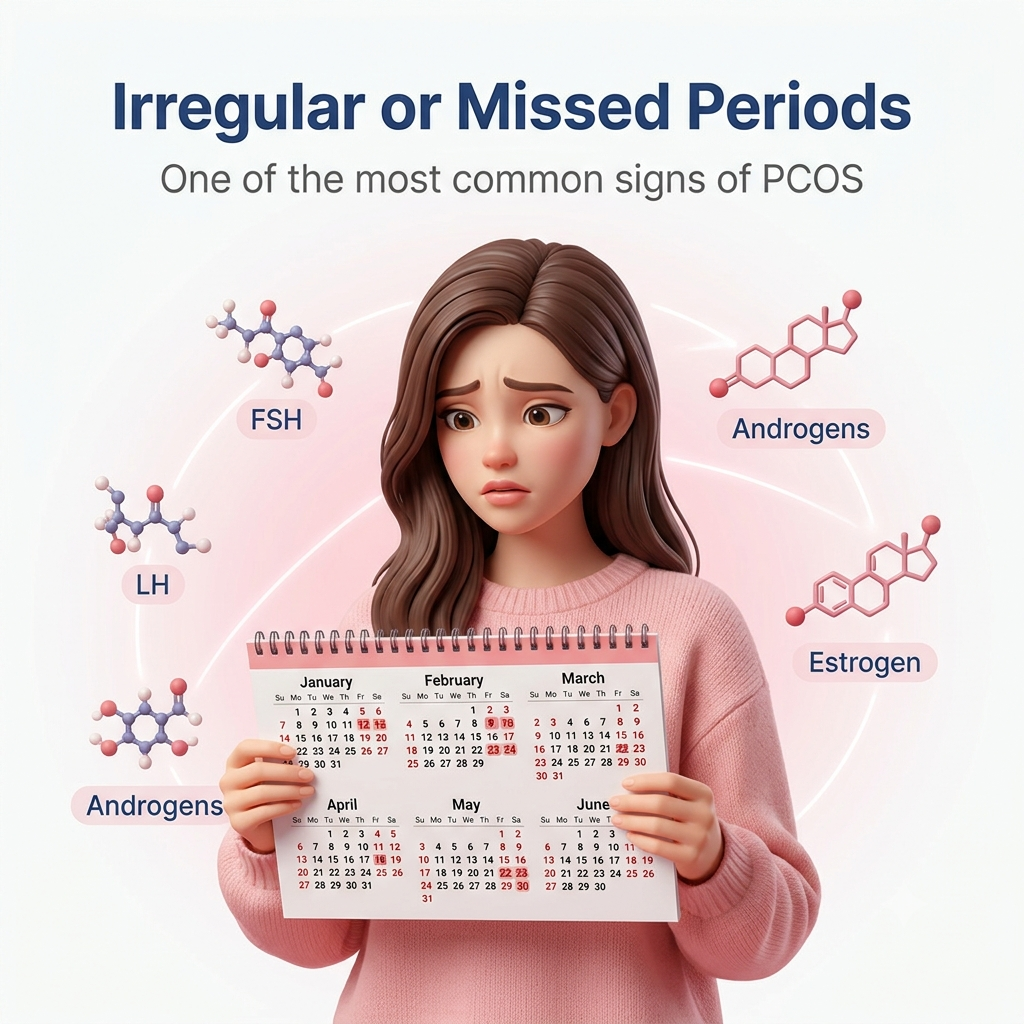
One of the earliest and most common signs of PCOS is irregular menstrual cycles. Women with PCOS may experience:
- Infrequent periods
- Missed periods
- Heavy menstrual bleeding
- Very light periods
- Cycles longer than 35 days
These irregularities occur because ovulation does not happen regularly. Without regular ovulation, the menstrual cycle becomes unpredictable.
If your periods have been irregular for several months, it’s important to consult a healthcare professional for evaluation.
2. Excess Hair Growth (Hirsutism)
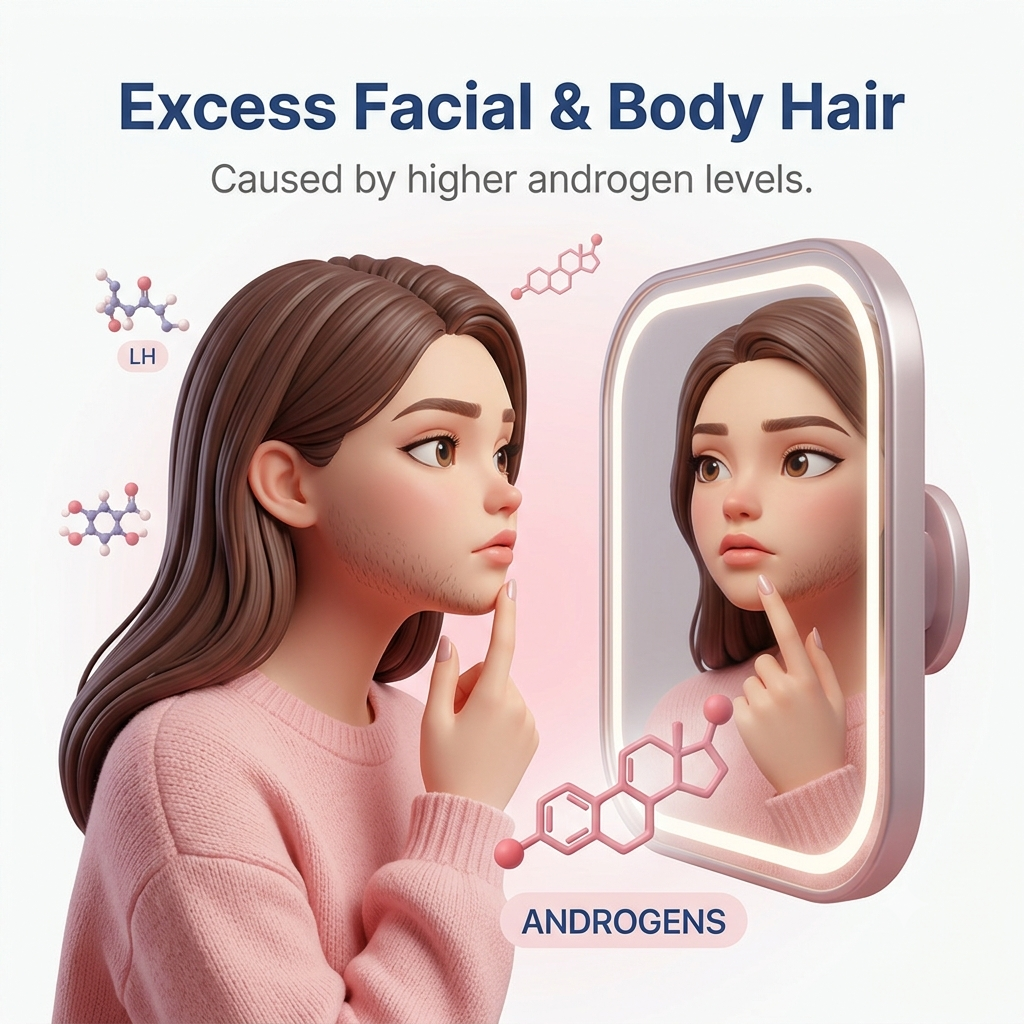
High levels of male hormones (androgens) are common in women with PCOS. This hormonal imbalance can cause excessive hair growth in areas where women typically have little or no hair.
Common areas include:
- Face
- Chin
- Upper lip
- Chest
- Back
- Abdomen
This condition is known as hirsutism and affects many women with PCOS. The severity varies depending on hormone levels and genetics.
Treatment options may include lifestyle changes, medications, and cosmetic hair removal techniques.
3. Acne and Oily Skin
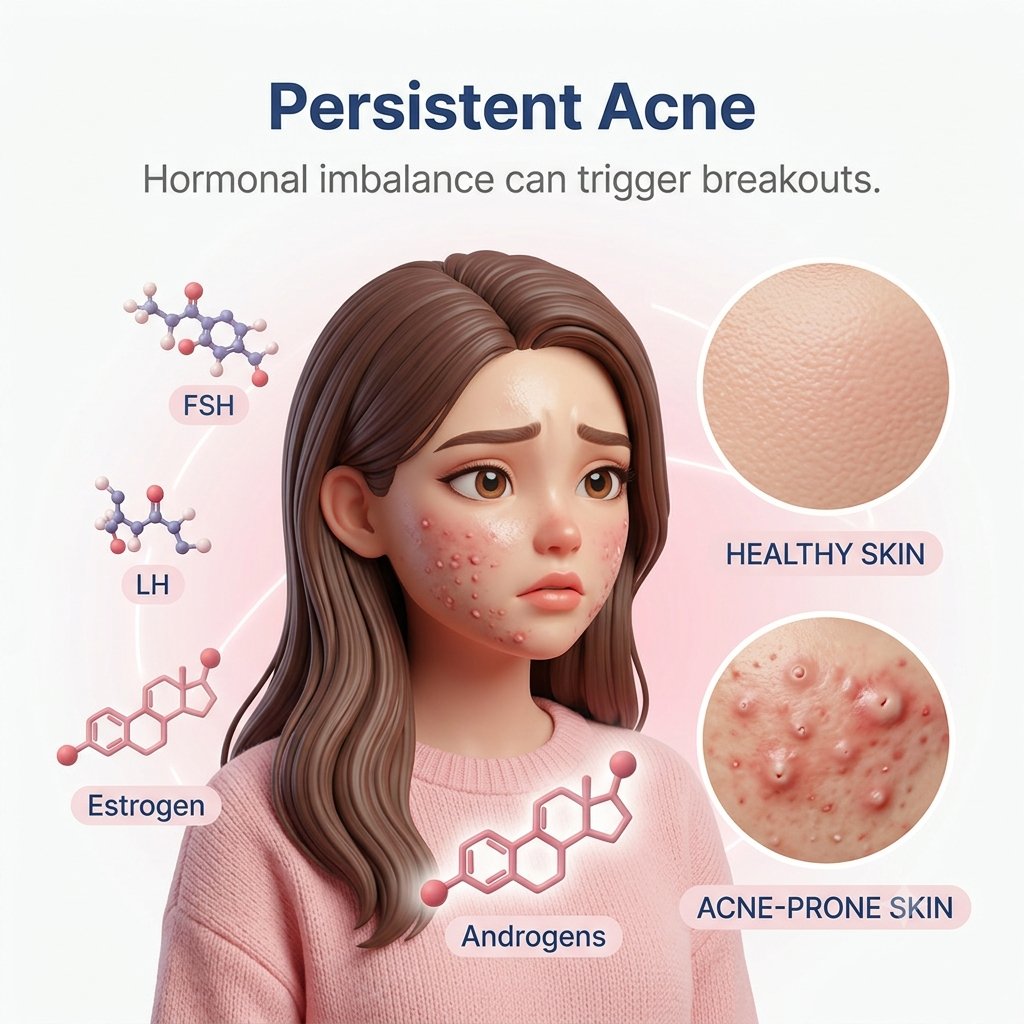
Persistent acne after adolescence may be another sign of PCOS.
Hormonal imbalance stimulates oil glands, leading to:
- Oily skin
- Frequent breakouts
- Painful cystic acne
- Pimples around the jawline and chin
Unlike occasional acne, PCOS-related acne often persists despite using regular skincare products.
Proper hormonal management can greatly improve skin health.
4. Weight Gain and Difficulty Losing Weight
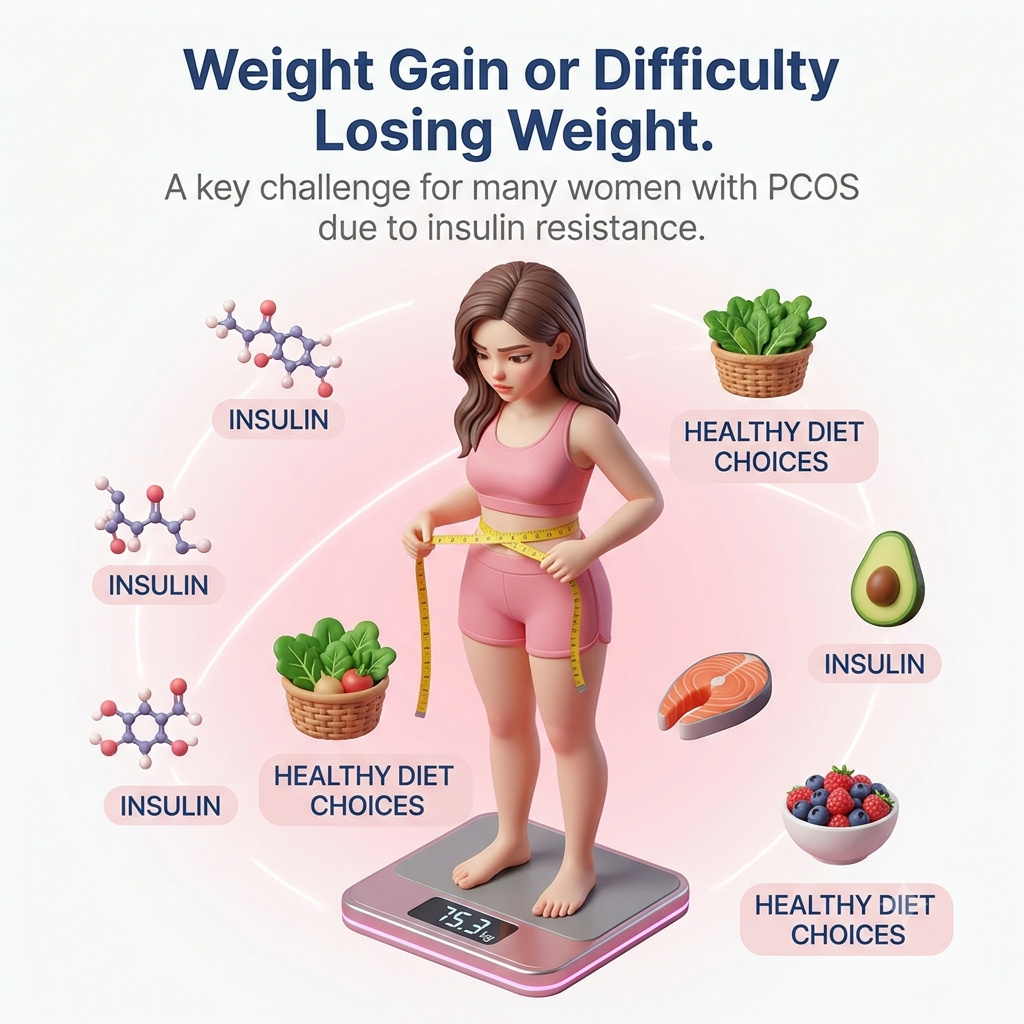
Many women with PCOS struggle with weight gain, especially around the abdomen.
Insulin resistance—a common feature of PCOS—causes the body to store more fat while making weight loss more challenging.
Symptoms include:
- Rapid weight gain
- Belly fat accumulation
- Difficulty losing weight despite dieting
- Increased cravings
Even a modest weight loss of 5–10% of body weight can help regulate hormones, improve ovulation, and reduce PCOS symptoms.
A balanced diet combined with regular exercise is one of the most effective ways to manage weight.
5. Hair Thinning or Hair Loss
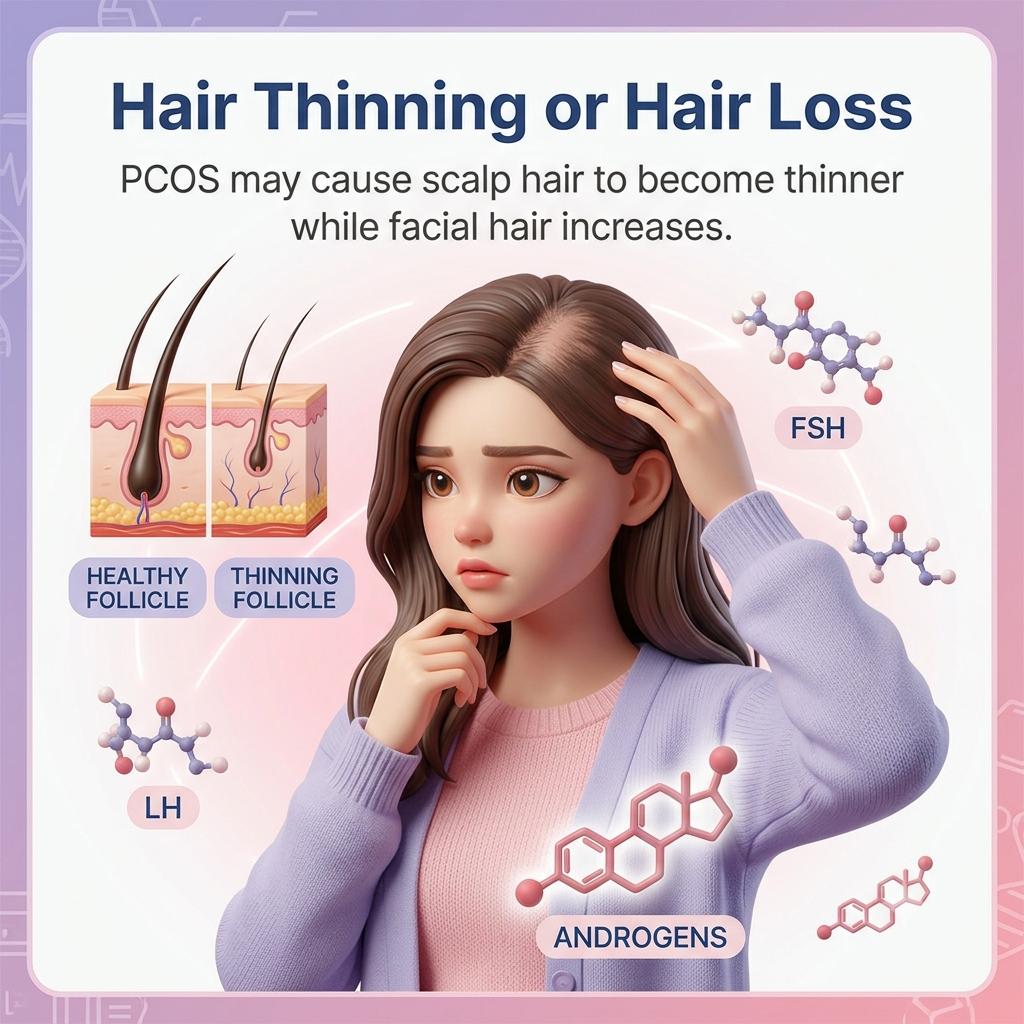
While excess body hair is common, PCOS can also cause hair thinning on the scalp.
Many women notice:
- Hair shedding
- Thinning around the crown
- Receding hairline
- Reduced hair volume
This occurs because elevated androgen levels affect hair follicles.
Early treatment can help slow hair loss and improve hair growth over time.
6. Dark Patches of Skin
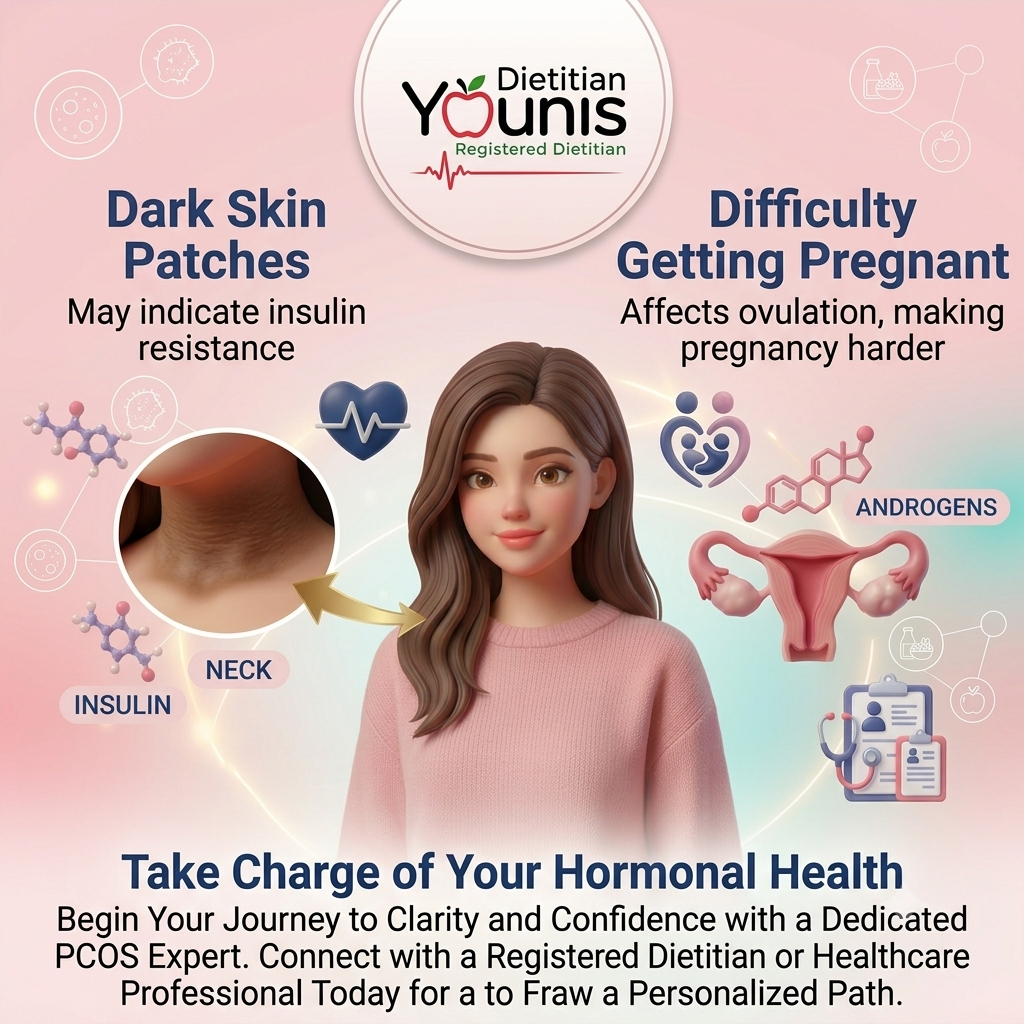
Dark, velvety patches of skin—known as acanthosis nigricans—are another common symptom of PCOS.
These patches usually appear on:
- Neck
- Underarms
- Groin
- Under the breasts
- Elbows
They are often linked to insulin resistance.
Improving insulin sensitivity through healthy eating, regular physical activity, and medical treatment may help reduce these skin changes.
7. Mood Swings, Anxiety, and Depression
PCOS affects more than physical health—it can also influence emotional well-being.
Women with PCOS are more likely to experience:
- Mood swings
- Anxiety
- Depression
- Low self-esteem
- Stress
These emotional challenges may result from hormonal fluctuations, body image concerns, infertility struggles, or chronic inflammation.
Seeking emotional support, practicing stress management, and consulting a mental health professional can be valuable parts of PCOS management.
What Causes PCOS?
Although the exact cause remains unknown, several factors contribute to the development of PCOS, including:
- Genetics
- Insulin resistance
- Hormonal imbalance
- Chronic low-grade inflammation
- Elevated androgen levels
Having a family history of PCOS increases the likelihood of developing the condition.
When Should You See a Doctor?
Consult your healthcare provider if you experience:
- Irregular periods
- Difficulty becoming pregnant
- Excess facial hair
- Persistent acne
- Hair thinning
- Rapid weight gain
- Dark skin patches
Your doctor may recommend blood tests, hormone evaluation, ultrasound, and other investigations to confirm the diagnosis.
Lifestyle Tips for Managing PCOS
Although PCOS cannot currently be cured, many women successfully manage it through healthy lifestyle habits.
Helpful strategies include:
- Eat a balanced diet rich in vegetables, lean protein, whole grains, and healthy fats.
- Limit sugary drinks and highly processed foods.
- Exercise for at least 150 minutes per week.
- Maintain a healthy body weight.
- Get adequate sleep every night.
- Manage stress through yoga, meditation, or deep breathing.
- Follow your healthcare provider’s treatment plan.
Small, consistent lifestyle changes can lead to significant improvements in symptoms over time.
Final Thoughts
PCOS is a common but manageable hormonal condition. Recognizing the early signs and symptoms of PCOS allows women to seek medical advice sooner and reduce the risk of complications such as infertility, type 2 diabetes, metabolic syndrome, and heart disease.
If you notice irregular periods, excessive hair growth, acne, weight gain, hair loss, dark skin patches, or mood changes, don’t ignore them. Early diagnosis, healthy lifestyle choices, and appropriate medical care can help you live a healthier and more balanced life.
Remember, every woman experiences PCOS differently. If you suspect you may have PCOS, consult a qualified healthcare professional for personalized advice and treatment.