
Polycystic Ovary Syndrome (PCOS) is one of the most common hormonal disorders affecting women of reproductive age. 7 Best Foods for PCOS Hormone Balance It can lead to symptoms such as irregular periods, weight gain, acne, excessive facial hair, hair thinning, and fertility challenges. While there is no single cure for PCOS, healthy eating and lifestyle changes can play a significant role in managing symptoms and improving overall well-being.
Choosing the right foods can help support hormone balance, maintain steady blood sugar levels, and reduce inflammation. In this guide, we’ll explore the 7 best foods for PCOS hormone balance and explain why they deserve a place in your daily diet.
1. Eggs
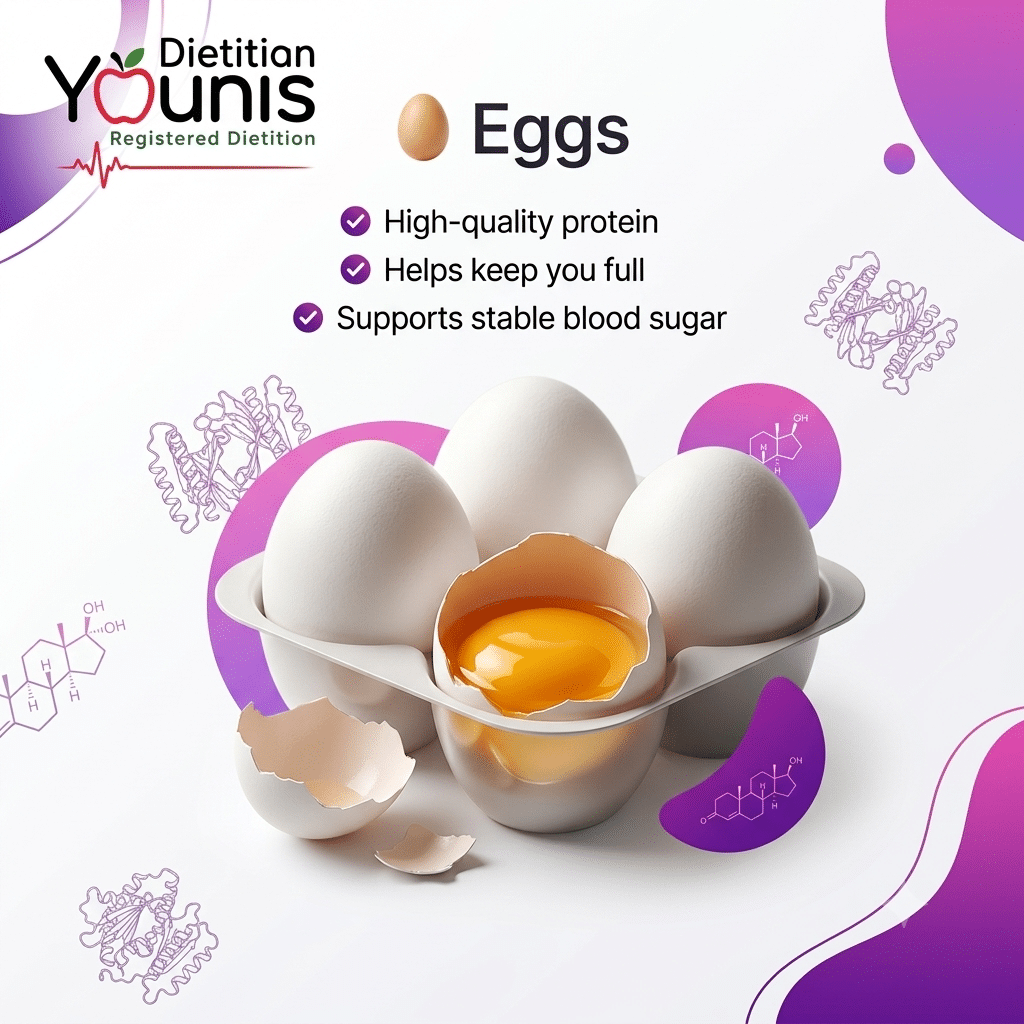
Eggs are an excellent source of high-quality protein and contain important nutrients such as vitamin D, choline, and B vitamins. A protein-rich breakfast can help you stay full for longer and may reduce cravings throughout the day.
For many women with PCOS, stable blood sugar levels are an important part of symptom management. Including protein-rich foods like eggs as part of a balanced meal may support healthy eating habits.
Benefits of Eggs for PCOS
- High-quality protein
- Keeps you satisfied for longer
- Rich in essential vitamins and minerals
- Easy to prepare and affordable
Healthy Tip: Pair eggs with vegetables and whole-grain toast for a balanced breakfast.
2. Avocados
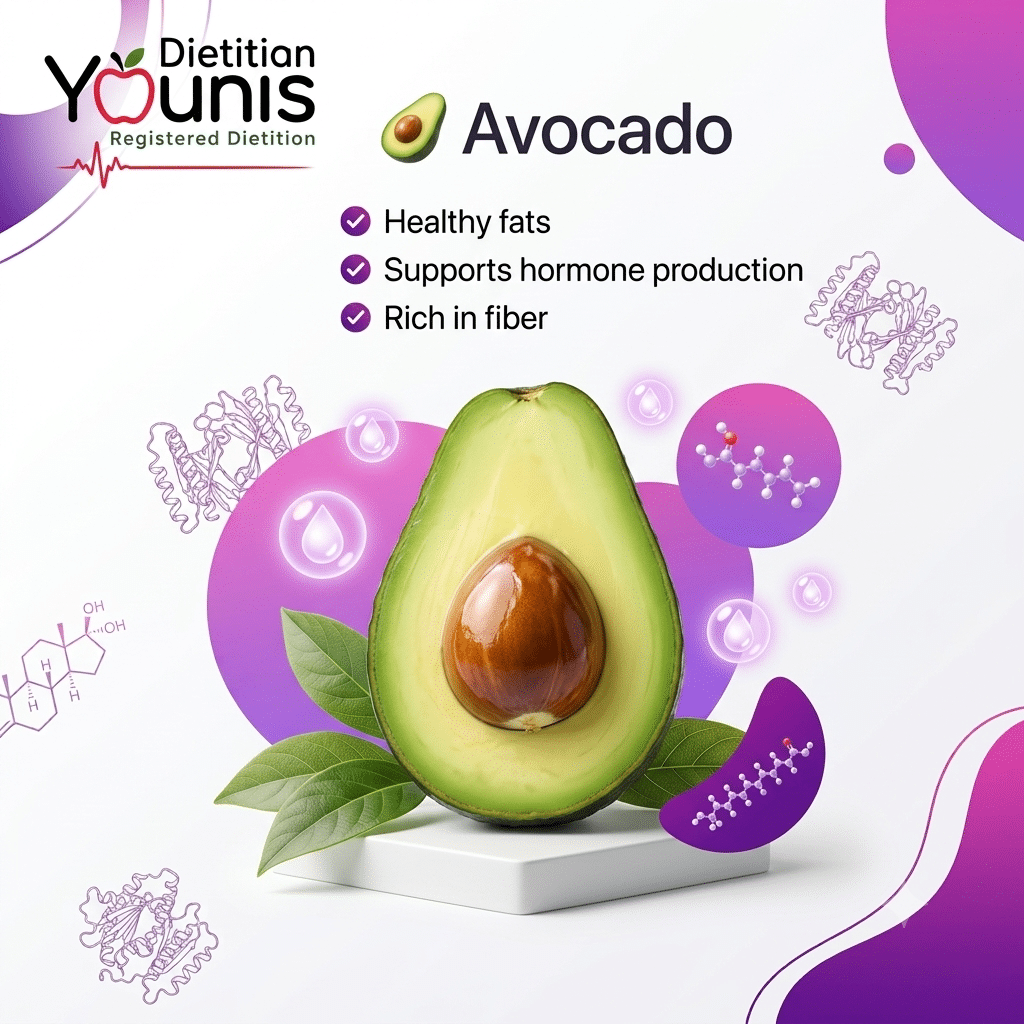
Avocados are packed with heart-healthy monounsaturated fats, fiber, potassium, and vitamin E. Healthy fats are important for overall nutrition and can help create satisfying meals.
The fiber in avocados also supports digestive health and can help slow digestion, promoting more stable energy levels.
Benefits of Avocados
- Rich in healthy fats
- Excellent source of fiber
- Supports heart health
- Nutrient-dense food
Healthy Tip: Add sliced avocado to salads, sandwiches, or smoothies.
3. Salmon
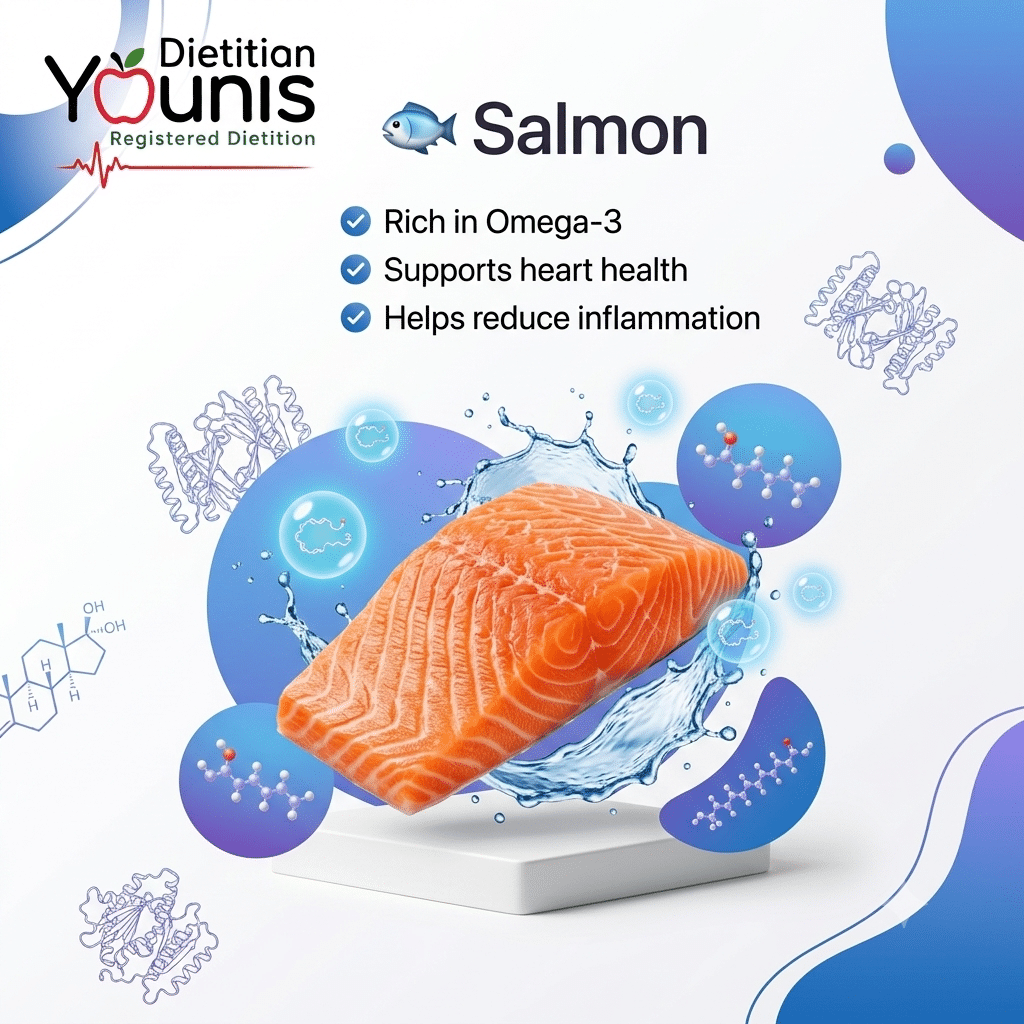
Salmon is one of the best sources of omega-3 fatty acids, which play an important role in overall health. It is also rich in high-quality protein, vitamin D, and selenium.
Including fatty fish like salmon in your diet once or twice a week can contribute to a balanced eating pattern.
Benefits of Salmon
- Excellent source of omega-3 fats
- High-quality protein
- Rich in vitamin D
- Supports heart health
Healthy Tip: Grill or bake salmon instead of frying to preserve its nutritional value.
4. Spinach
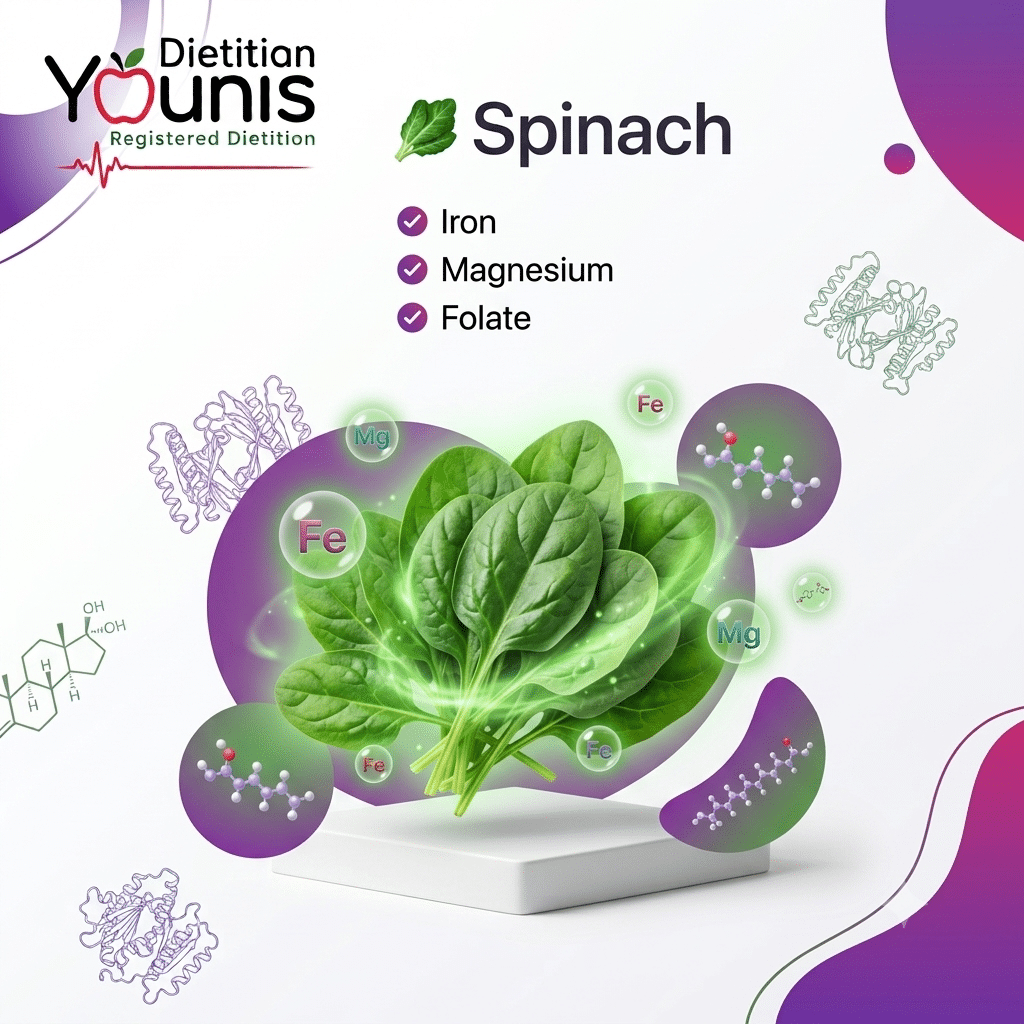
Leafy green vegetables such as spinach are packed with iron, magnesium, folate, vitamin K, and antioxidants. These nutrients contribute to overall health and make spinach a valuable addition to any meal.
Spinach is also naturally low in calories while providing a high amount of vitamins and minerals.
Benefits of Spinach
- Rich in iron
- High in magnesium
- Excellent source of folate
- Loaded with antioxidants
Healthy Tip: Add fresh spinach to omelets, soups, smoothies, or salads.
5. Berries
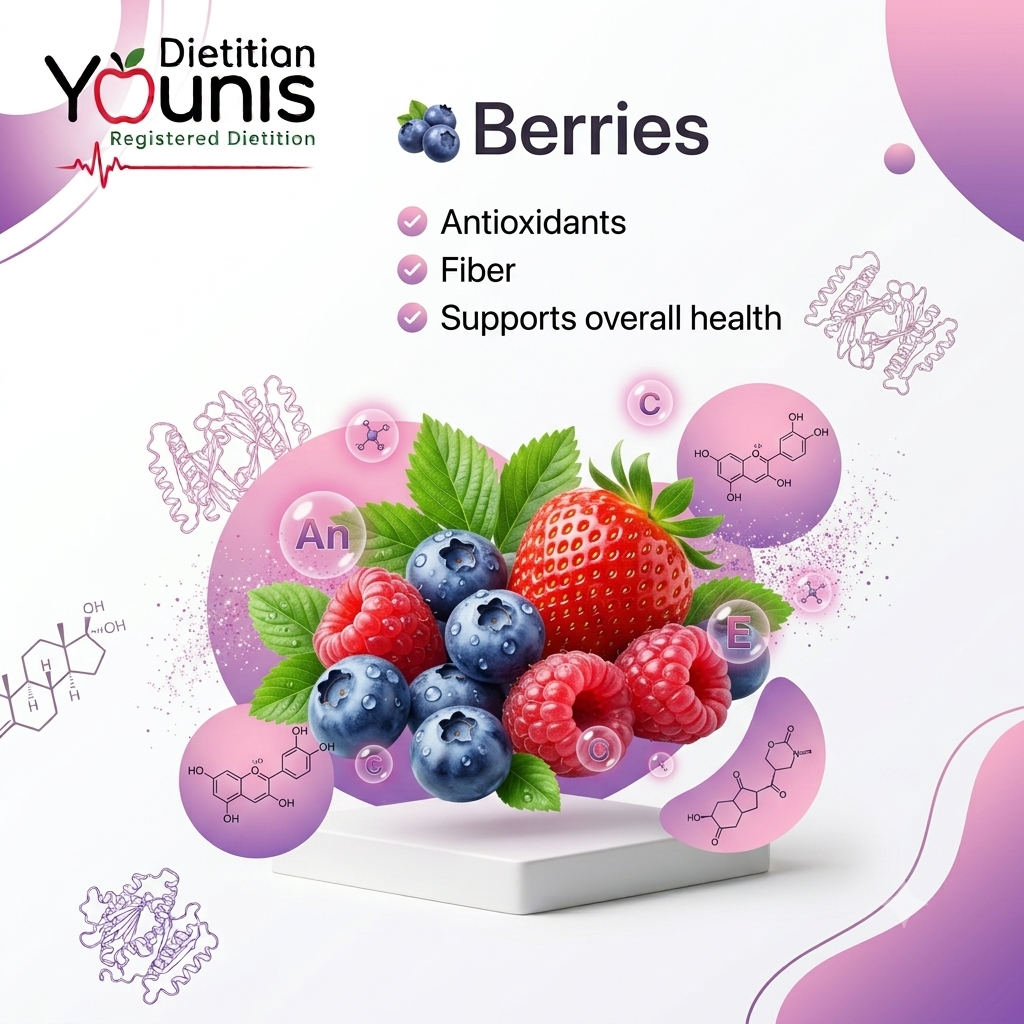
Blueberries, strawberries, raspberries, and blackberries are among the healthiest fruits you can eat. They are naturally rich in antioxidants, vitamin C, and dietary fiber.
Unlike many processed snacks, berries provide natural sweetness along with beneficial nutrients.
Benefits of Berries
- High in antioxidants
- Rich in fiber
- Good source of vitamin C
- Naturally sweet and refreshing
Healthy Tip: Enjoy berries with plain Greek yogurt or oatmeal for a nutritious snack.
6. Walnuts
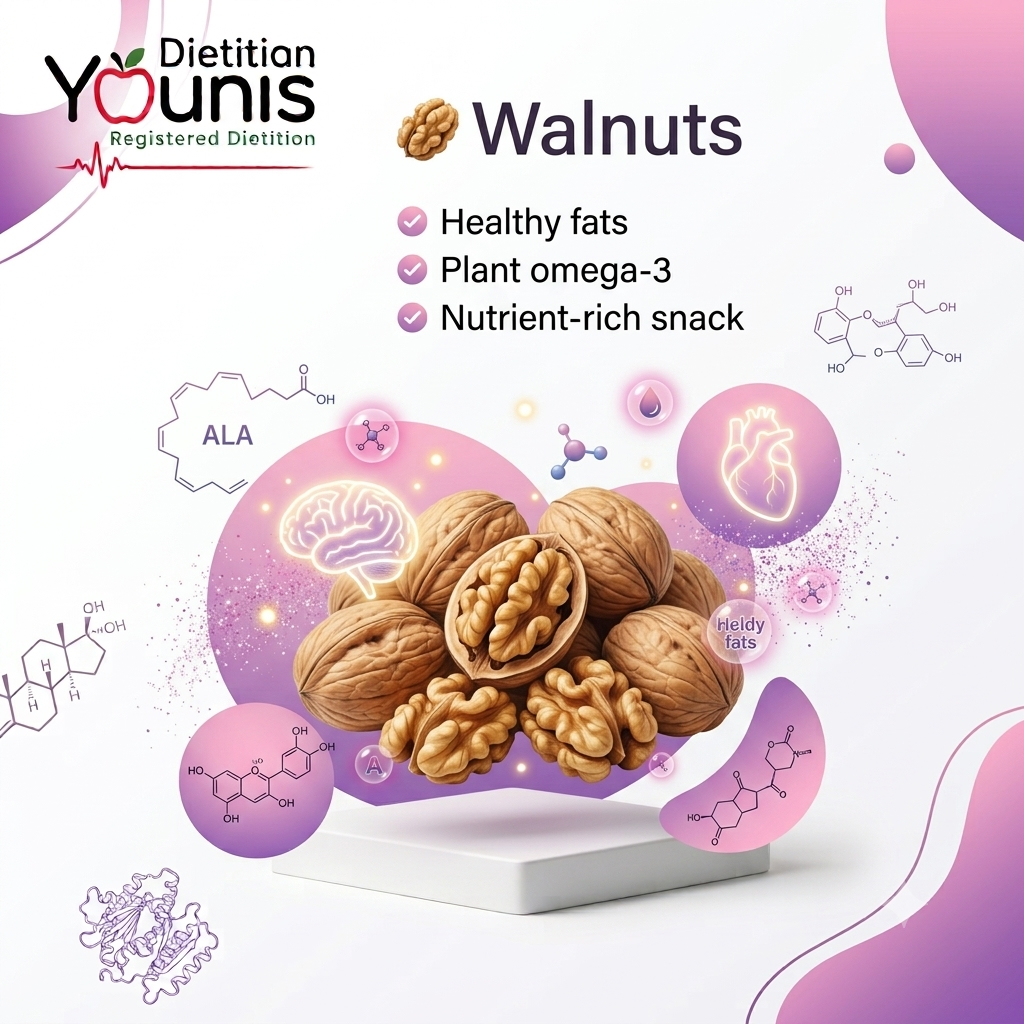
Walnuts contain healthy fats, plant-based omega-3 fatty acids, antioxidants, and important minerals. They make an excellent snack when eaten in moderate portions.
Adding nuts to meals may help increase satiety and improve the nutritional quality of your diet.
Benefits of Walnuts
- Healthy unsaturated fats
- Plant-based omega-3s
- Rich in antioxidants
- Convenient healthy snack
Healthy Tip: Sprinkle chopped walnuts over oatmeal, salads, or yogurt.
7. Oats
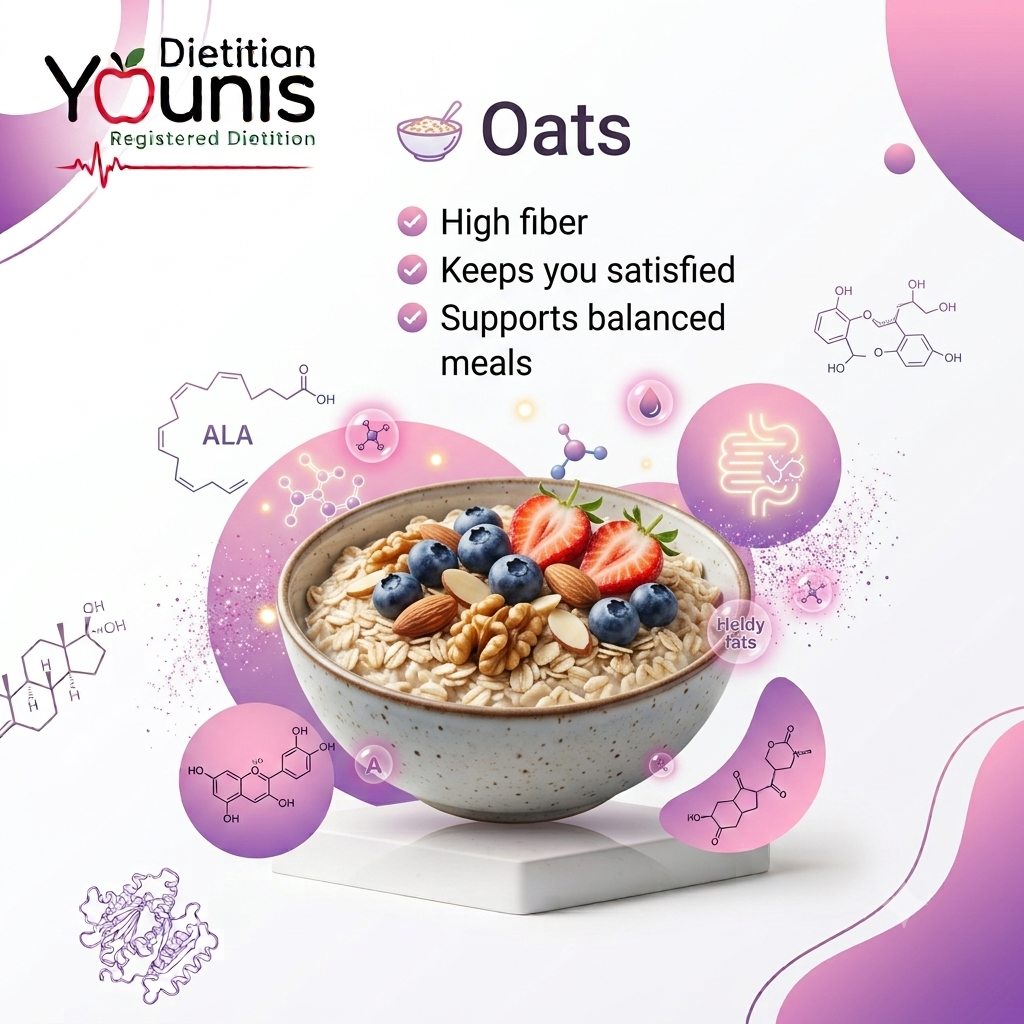
Oats are one of the best whole grains because they provide soluble fiber, vitamins, minerals, and long-lasting energy. They are filling, versatile, and easy to prepare.
Choosing minimally processed whole grains like oats can be part of a balanced diet for women with PCOS.
Benefits of Oats
- High in dietary fiber
- Helps keep you full
- Supports digestive health
- Excellent breakfast option
Healthy Tip: Prepare oatmeal with berries, walnuts, and cinnamon for a delicious, balanced breakfast.
Additional Nutrition Tips for PCOS
Along with eating nutrient-rich foods, healthy daily habits can make a positive difference.
- Eat balanced meals with protein, healthy fats, and fiber.
- Include plenty of colorful vegetables.
- Stay physically active most days of the week.
- Drink enough water throughout the day.
- Aim for 7–9 hours of quality sleep.
- Manage stress through relaxation techniques, exercise, or mindfulness.
- Limit sugary drinks and highly processed foods.
Remember that there is no single “PCOS diet.” The best eating pattern is one that is balanced, enjoyable, and sustainable for your lifestyle.
Frequently Asked Questions
What is the best breakfast for PCOS?
A balanced breakfast containing protein, healthy fats, and fiber is a great choice. Examples include eggs with vegetables, oatmeal topped with berries and walnuts, or plain Greek yogurt with fresh fruit.
Can food cure PCOS?
No. PCOS cannot be cured by food alone. However, healthy eating is an important part of managing symptoms and supporting overall health.
Are carbohydrates bad for PCOS?
Not necessarily. Whole-food carbohydrate sources such as oats, quinoa, legumes, fruits, and vegetables can be included as part of a balanced diet. Highly processed and sugary foods are generally best limited.
Is weight loss necessary for everyone with PCOS?
No. Women with PCOS have different body types and health goals. Nutrition and lifestyle recommendations should be individualized and discussed with a qualified healthcare professional when needed.
Conclusion
Living with PCOS can feel challenging, but healthy nutrition is one of the most powerful tools for supporting long-term health. Foods such as eggs, avocados, salmon, spinach, berries, walnuts, and oats provide valuable nutrients that fit well into a balanced eating pattern.
Instead of focusing on restrictive diets, aim to build meals around whole, nutrient-dense foods while maintaining regular physical activity, quality sleep, and stress management. Small, sustainable changes often lead to the greatest long-term success.
If you have PCOS, consider working with a registered dietitian or healthcare professional to create a personalized nutrition plan that meets your unique needs and goals.