
The XXWWW-20 17 Day Diet is a structured eating approach designed around the idea of changing food choices, meal timing, portion control, and daily habits over a short period. Many people search for a “17 day diet” because they want a practical way to begin weight loss without following an extremely complicated diet plan.
However, it is important to understand that a short-term diet should not be viewed as a magic solution for permanent weight loss. Sustainable weight management depends on overall calorie intake, food quality, physical activity, sleep, stress management, and habits that can be maintained over time.
In this guide, we will explain what the XXWWW-20 17 Day Diet means, how a 17-day diet approach may work, what foods can be included, foods that may need to be limited, potential benefits and limitations, and how to approach the plan safely.
What Is the XXWWW-20 17 Day Diet?
The XXWWW-20 17 Day Diet refers to a 17-day-focused diet approach intended to help people establish healthier eating habits and potentially reduce body weight. The basic concept behind a short diet cycle is to create a period of greater dietary structure.
During these 17 days, the focus may be placed on:
- Choosing nutrient-dense foods
- Reducing highly processed foods
- Controlling portions
- Increasing vegetables and lean protein
- Limiting added sugar
- Drinking adequate water
- Increasing physical activity
- Developing consistent meal habits
The exact calorie requirement should not be the same for everyone. A person’s age, sex, height, weight, activity level, medical history, and weight-management goal all influence how much food they need.

- A Gentle Reset: Our extra-strength tea bags offer a richer, fuller brew with a clearly noticeable herbal presence, suite…
- Go-To Nightly Ritual: Sip a warm cup before bed to unwind and support gentle overnight comfort. A great no-caffeine tea …
- Caffeine-Free by Nature: Being naturally caffeine-free, our organic tea can be enjoyed without jitters or overstimulatio…

- Fruit Tea – Your digestive tract with hibiscus tea gift for weight L0SS drink and bloating. This gentle diet herbal tea …
- Tea Bags – Enjoy a delicious and soothing tea blend with hibiscus, chamomile, and rosehip. This gentle herbal tea offers…
- Caffeine-Free Tea – A flavorful and calming beverage to enjoy any time of the day. Crafted with premium botanicals, it’s…
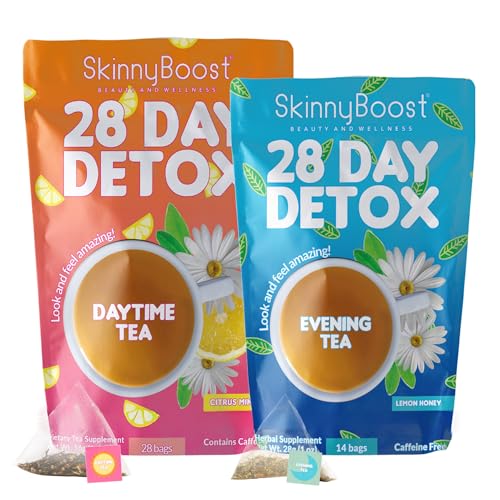
- CLEANSE & DETOX IN 2 STEPS: SkinnyBoost 28 Day Detox kit includes 1 Daytime Tea (28 tea bags) and 1 Evening Tea (14 tea …
- PREMIUM DETOX TEAS: SkinnyBoost teas are Vegan, Non-GMO, Soy, Gluten & Sugar Free. Made from premium tea ingredients, ou…
- MADE WITH GREEN TEA AND GARCINIA CAMBOGIA: SkinnyBoost Daytime tea is made with ingredients like green tea, oolong tea, …
Therefore, a 17-day diet should ideally be personalized rather than followed as a one-size-fits-all program.
Can You Lose Weight in 17 Days?
Yes, some people may lose weight during a 17-day period, particularly when they reduce their overall calorie intake and improve their food choices. However, the amount of weight loss varies considerably between individuals.
Early changes on the weighing scale can sometimes include water loss rather than only body-fat loss. This is particularly relevant when someone suddenly reduces their intake of refined carbohydrates, salty foods, sugary drinks, or overall calories.
Healthy weight management should focus on gradual progress rather than trying to lose as much weight as possible in 17 days.
A useful goal is to develop habits during the 17 days that can continue afterward.
How Does a 17-Day Diet Work?
A structured diet can help people become more aware of what and how much they eat. The principle is relatively simple: when food intake is appropriately controlled and energy expenditure is greater than energy intake over time, the body can use stored energy, resulting in weight loss.
A successful plan should therefore include a combination of:
1. Calorie Awareness
Calories still matter, regardless of the name given to a diet. Eating large amounts of even healthy foods can make weight loss difficult.
The goal is not necessarily to count every calorie, but understanding portion sizes can be extremely helpful.
2. Protein-Rich Foods
Protein can help support muscle maintenance during weight loss and may also improve satiety.
Good options include:
- Eggs
- Chicken
- Fish
- Lean meat
- Low-fat yogurt
- Milk
- Lentils
- Chickpeas
- Beans
- Other legumes
The appropriate protein intake depends on the individual’s nutritional needs.
3. Vegetables
Vegetables are valuable because they provide fiber, vitamins, minerals, and water while generally contributing relatively few calories.
Include vegetables such as:
- Spinach
- Cucumber
- Tomato
- Carrot
- Cauliflower
- Broccoli
- Cabbage
- Capsicum
- Okra
- Green beans
- Mixed salad vegetables
Try to make vegetables a regular part of lunch and dinner.
4. Fruits
Fruit can be part of a balanced weight-loss diet. There is generally no need to eliminate fruit simply because it contains natural sugar.
Examples include:
- Apples
- Oranges
- Guava
- Pears
- Berries
- Melons
- Papaya
- Peaches
Portion size is still important, especially for people with specific calorie requirements.
XXWWW-20 17 Day Diet Foods
A healthy 17-day approach can include a variety of whole and minimally processed foods.
Breakfast
A balanced breakfast might include:
- Eggs with whole-grain bread
- Plain yogurt with fruit
- Oatmeal with milk and fruit
- Vegetable omelet
- Whole-wheat roti with eggs and vegetables
Breakfast does not need to be extremely small. The important factor is that the meal fits the person’s overall nutritional and calorie needs.
Lunch
A healthy lunch can combine protein, vegetables, and a controlled portion of carbohydrates.
For example:
- Grilled chicken with salad and roti
- Fish with vegetables and brown rice
- Lentils with vegetables and whole-wheat roti
- Chickpea salad with yogurt
- Chicken and vegetable bowl
Traditional Pakistani foods can also fit into a weight-management plan when portions and cooking methods are appropriate.
Dinner
Dinner can be similar to lunch but may be adjusted according to individual appetite and calorie requirements.
Examples include:
- Grilled fish with vegetables
- Chicken tikka with salad
- Vegetable soup with protein
- Lentils with vegetables
- Chicken and mixed vegetable salad
There is no universal rule that dinner must be completely free of carbohydrates. Individual needs should determine the appropriate meal composition.
Foods to Limit During the 17 Days
A short-term weight-management program can benefit from reducing foods that are high in calories but low in nutritional value.
These may include:
- Sugary soft drinks
- Sweetened juices
- Cakes
- Biscuits
- Donuts
- Candy
- Excessive sweets
- Deep-fried foods
- Fast food
- Highly processed snacks
- Excessive sauces
- Large amounts of refined carbohydrates
This does not mean that one food automatically causes weight gain. Overall dietary intake matters more than completely banning individual foods.
What About Rice and Roti?

- alli is a weight loss pill that helps block about 25 percent of the fat you eat from being absorbed
- Acts as an effective weight loss product and diet pill for both women and men
- For every 5 pounds you lose through diet and exercise, alli can help you lose 2 to 3 more

- OPTIMIZED APPETITE CONTROL & FULLNESS: Designed to help you feel satisfied, not deprived. Apple Cider Vinegar supports d…
- CRAVING CONTROL WITH CLEAN, STEADY ENERGY: Hack your hunger signals. Potent BHB (Exogenous Ketones) provides a stable, a…
- GENTLE DIGESTIVE COMFORT & BLOATING SUPPORT: Feel lighter, not heavier, after every meal. Apple Cider Vinegar has a long…

- Supports Weight Management: In a Clinical study, 100 patients lost an average of 30 lbs in 90 days taking 300 mg of Gree…
- Supports Gut & Bloating: Contains Probiotics & organic prebiotics with natural green tea extract. With our weight manage…
- Supports Digestive Health & Balance: A daily probiotic and organic prebiotic with digestive enzymes to promote gut healt…

- 𝑼𝒏𝒑𝒂𝒓𝒂𝒍𝒍𝒆𝒍𝒆𝒅 𝑨𝒑𝒑 𝑬𝒙𝒑𝒆𝒓𝒊𝒆𝒏𝒄𝒆: Elevate your fitness journey with us. Our scale stands out with the free vesync app, offeri…
- 𝑼𝒑𝒈𝒓𝒂𝒅𝒆 𝑷𝒓𝒆𝒄𝒊𝒔𝒊𝒐𝒏: Benefit from our 10 years of professional experience and join over 5 million satisfied customers acro…
- 𝑽𝒆𝒓𝒔𝒂𝒕𝒊𝒍𝒆 𝑾𝒆𝒊𝒈𝒉𝒊𝒏𝒈 𝑺𝒐𝒍𝒖𝒕𝒊𝒐𝒏: Our scale offers 3 different modes designed to cater to all your needs. Zero-Current Mode e…
Many people believe that rice and roti must be eliminated to lose weight. This is not necessarily true.
Rice and roti can be included in a balanced diet. The important considerations are:
- Portion size
- Type of food
- Cooking method
- Total calorie intake
- What the carbohydrate is eaten with
For example, combining a moderate serving of rice with vegetables and a protein source can create a balanced meal.
Similarly, whole-wheat roti can be paired with vegetables, lentils, chicken, fish, or yogurt.
Hydration During the 17-Day Diet
Water is an important part of a healthy eating pattern. Some people mistake thirst for hunger, while sugary beverages can add substantial calories without providing the same satiety as whole foods.
Make water your primary beverage throughout the day.
Depending on the weather, activity level, body size, and individual circumstances, fluid needs can vary. People who exercise or live in hot climates may require additional fluids.
Tea and coffee can also be included, but large amounts of added sugar or high-calorie creamers can increase calorie intake.
Exercise and the 17-Day Diet
Diet and physical activity work well together for weight management.
During a 17-day program, consider incorporating:
- Walking
- Strength training
- Cycling
- Swimming
- Light jogging
- Home-based workouts
- Daily movement
Beginners do not need to start with extremely intense exercise.
A practical strategy is to increase daily movement gradually. Strength training can also be useful because maintaining muscle is an important consideration during weight loss.
Sample One-Day Meal Plan
A general example of a balanced day could look like this:
Breakfast:
Two eggs, one whole-wheat roti or slice of whole-grain bread, vegetables, and unsweetened tea.
Mid-morning:
One serving of fruit.
Lunch:
Grilled chicken or lentils, one to two appropriately sized whole-wheat rotis, and a large salad.
Evening snack:
Plain yogurt or a small portion of nuts.
Dinner:
Fish or chicken with cooked vegetables and a moderate carbohydrate portion if required.
Drinks:
Water throughout the day, with tea or coffee without excessive added sugar.
This is only an example and should not be considered an individualized prescription. Calorie and nutrient requirements differ from person to person.
Benefits of a Structured 17-Day Diet
A structured short-term plan may offer several practical benefits.
Better Food Awareness
Writing down meals or following a meal structure can help people recognize eating patterns they previously overlooked.
Reduced Processed Food Intake
Replacing highly processed snacks and sugary beverages with whole foods can improve overall diet quality.
Improved Portion Control
Learning appropriate portions can be useful even after the 17-day period ends.
Increased Motivation
A defined 17-day period can provide a clear starting point for someone who feels overwhelmed by long-term dieting.
Development of Healthy Habits
The most valuable outcome may not be the number shown on the scale. It may be the development of habits that can continue for months and years.
Limitations of the 17-Day Diet
There are also important limitations.
A 17-day period is relatively short. It cannot guarantee a particular amount of fat loss, and rapid changes in body weight can partly reflect changes in water and glycogen stores.
Extremely restrictive versions of short-term diets can also cause:
- Hunger
- Fatigue
- Difficulty concentrating
- Poor exercise performance
- Nutrient deficiencies
- Overeating after restriction
- Difficulty maintaining the diet
For this reason, avoiding excessively restrictive plans is generally a better strategy than trying to achieve dramatic results quickly.
Who Should Be Careful With a 17-Day Diet?
Not everyone should begin a restrictive weight-loss diet without professional guidance.
People who are pregnant or breastfeeding, children and adolescents, older adults with specific nutritional needs, and individuals with certain medical conditions may require individualized dietary advice.
People taking medication or managing conditions such as diabetes, kidney disease, gastrointestinal disorders, or other chronic conditions should discuss significant dietary changes with an appropriate healthcare professional.
What Happens After 17 Days?
This is one of the most important parts of any short-term diet.
If someone returns immediately to previous eating habits after 17 days, weight can return over time.
Instead, use the 17 days as a starting phase.
Continue:
- Eating adequate protein
- Consuming vegetables and fruit
- Choosing mostly minimally processed foods
- Controlling portions
- Staying physically active
- Drinking adequate water
- Getting sufficient sleep
- Monitoring progress
Weight management is a long-term process rather than a 17-day challenge.
How to Make the Diet More Sustainable
Instead of focusing entirely on rapid weight loss, focus on creating a routine that feels realistic.
Prepare meals in advance, keep healthy snacks available, reduce sugary drinks, eat slowly, and pay attention to hunger and fullness.
You can also follow the 80/20 principle as a practical approach: most of your diet can consist of nutritious foods while allowing occasional foods you enjoy.
This can make the diet easier to maintain and reduce the feeling that you are permanently “on a diet.”
Frequently Asked Questions
Is the XXWWW-20 17 Day Diet safe?
Safety depends on how the diet is designed. A balanced 17-day eating plan can be reasonable for many healthy adults, while extremely restrictive versions may not provide adequate nutrition.
How much weight can I lose in 17 days?
There is no single guaranteed amount. Results depend on starting weight, calorie intake, activity, water balance, and individual factors. A sustainable rate of weight loss is generally preferable to rapid weight loss.
Can I eat roti during the 17-day diet?
Yes. Roti can be included when the portion fits your overall calorie and carbohydrate requirements.
Can I eat rice?
Yes. Rice does not automatically prevent weight loss. Portion size and total dietary intake are important.
Can I drink tea?
Yes. Tea can fit into a balanced diet. Be mindful of added sugar and high-calorie additions.
Can I eat fruit?
Yes. Whole fruit can be part of a healthy weight-management diet.
Do I need to exercise?
Exercise is highly beneficial for health and can support weight management, although diet and total energy balance also play major roles.
Will I regain the weight after 17 days?
Weight regain is possible if previous eating habits return. Maintaining healthy habits after the initial 17 days is therefore essential.
Final Thoughts
The XXWWW-20 17 Day Diet can be viewed as a structured starting point for improving eating habits rather than a quick-fix solution for permanent weight loss.
The most effective approach is usually one that combines appropriate calorie intake with protein-rich foods, vegetables, fruit, whole grains, healthy fats, regular physical activity, adequate hydration, and sustainable lifestyle habits.
Instead of asking only, “How much weight can I lose in 17 days?” consider asking, “What healthy habits can I build in these 17 days that I can continue for the next 17 months?”
That change in mindset can make weight management more realistic and sustainable.
Important: This article provides general nutrition information and should not replace individualized advice from a qualified dietitian or healthcare professional. A personalized diet should take into account your age, sex, height, weight, activity level, medical history, medications, dietary preferences, and specific goals.